
Home » Is Awake Cosmetic Surgery Safe? Anesthesia, Risks, and Recovery Facts
Home » Is Awake Cosmetic Surgery Safe? Anesthesia, Risks, and Recovery Facts
The idea of remaining conscious during a surgical procedure might sound unsettling, but awake cosmetic surgery has become an increasingly popular and safe option for patients seeking aesthetic improvements without the risks associated with general anesthesia. When performed by qualified, board-certified plastic surgeons in accredited facilities, awake plastic surgery is generally safe and offers several advantages over traditional surgery requiring full sedation. The key to safety lies in proper patient selection, meticulous surgical technique, and the use of local anesthesia combined with mild sedation to keep patients comfortable throughout the procedure.
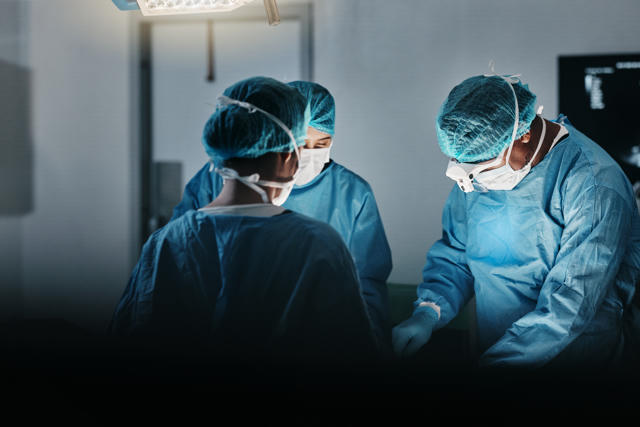
Awake surgery refers to surgical procedures performed while the patient remains conscious, using local anesthesia to numb the treatment area rather than general anesthesia that renders patients completely unconscious. During these procedures, patients are typically given oral or intravenous medications to help them relax, but they can breathe on their own, respond to questions, and remain aware of their surroundings.
The anesthesia approach for awake procedures typically involves tumescent anesthesia – a technique where large volumes of diluted local anesthetic are injected into the fatty tissue beneath the skin. This method provides effective pain control, reduces bleeding, and allows surgeons to perform various cosmetic procedures safely without putting patients under general anesthesia.
Many patients prefer this approach because it eliminates risks associated with general anesthesia, such as nausea, prolonged grogginess, breathing complications, and the rare but serious risk of malignant hyperthermia or adverse reactions to anesthetic agents.
Awake liposuction procedures have become one of the most popular applications of local anesthesia in cosmetic surgery. During this procedure, tumescent fluid is injected into areas with unwanted fat deposits, making the tissue firm and swollen. This makes fat removal easier while providing excellent pain control. Patients can often walk out of the facility shortly after their procedure and experience minimal downtime compared to traditional liposuction under general anesthesia.
Awake breast augmentation is performed using local anesthesia and light sedation, allowing patients to avoid the risks of being put completely under. The surgeon numbs the chest area thoroughly before creating incisions and placing implants. Many patients appreciate being able to sit up during the procedure so the surgeon can assess symmetry and positioning in real-time, leading to more accurate results.
An awake breast lift can also be performed while awake, particularly for patients requiring moderate lifting without extensive tissue removal. The procedure uses local anesthesia to numb the breast tissue while the surgeon removes excess skin and reshapes the breast for a more youthful appearance. Patients remain comfortable throughout and can provide feedback on positioning and symmetry.
An awake arm lift addresses excess skin and fat in the upper arms, commonly called “bat wings.” Using tumescent anesthesia, the surgeon can remove unwanted tissue and tighten the remaining skin while the patient remains awake and comfortable. This procedure typically results in less bruising and swelling compared to traditional arm lift surgery performed under general anesthesia.
The awake mini tummy tuck focuses on the lower abdomen below the belly button, making it ideal for patients with minimal excess skin and fat in this area. Because the procedure is less extensive than a full tummy tuck, it’s well-suited for local anesthesia. The surgeon removes excess skin, tightens muscles if needed, and creates a flatter, more toned appearance while patients remain conscious and comfortable.
The benefits of awake procedures extend beyond simply avoiding general anesthesia. Patients who choose awake cosmetic surgery often experience:
Faster recovery times: Without the lingering effects of general anesthesia, patients typically feel more alert and mobile immediately after surgery
Reduced nausea and vomiting: General anesthesia commonly causes post-operative nausea, which is largely avoided with local anesthesia
Lower overall costs: Eliminating the anesthesiologist’s fee and reducing facility time can make procedures more affordable
Decreased surgical risks: Complications related to general anesthesia, though rare, are essentially eliminated
Same-day discharge: Most patients can return home within hours rather than requiring extended observation
Better surgical precision: Surgeons can ask patients to move or sit up during certain procedures to assess symmetry and results in real-time
Additionally, many patients report feeling more in control of their surgical experience when they remain awake, which can reduce anxiety for those who fear being unconscious.
While awake cosmetic procedures are generally safe, they’re not entirely without risks. Patients should be aware of potential complications, including:
Anxiety and discomfort: Some patients may feel anxious about being awake during surgery, even with sedation. It’s crucial to discuss these concerns with your surgeon beforehand.
Localized reactions to anesthesia: Though rare, some patients may experience allergic reactions or toxicity to local anesthetic agents, particularly if excessive amounts are used.
Incomplete pain control: In some cases, patients may feel pressure, pulling, or mild discomfort during the procedure, though this shouldn’t be painful if anesthesia is administered properly.
Vasovagal response: Some patients may experience dizziness, nausea, or fainting in response to stress or anxiety during the procedure.
The same general surgical risks apply to awake procedures as to traditional surgery, including infection, bleeding, scarring, and dissatisfaction with cosmetic results. However, major complications are less common when general anesthesia is avoided.
Not everyone is an ideal candidate for awake surgery. The best candidates are:
Generally healthy individuals without significant medical conditions
Patients with realistic expectations about results and the surgical experience
Those who can remain calm and cooperative during the procedure
Individuals seeking less extensive cosmetic procedures that don’t require muscle relaxation or unconsciousness
Patients who prefer faster recovery and want to avoid general anesthesia risks
Patients with severe anxiety, claustrophobia, or those requiring extensive surgical work may be better suited for traditional surgery with general anesthesia.
Recovery from awake cosmetic procedures is typically smoother and faster than recovery from surgery performed under general anesthesia. Most patients can expect:
Immediate post-procedure period: You’ll likely feel alert and able to walk with assistance shortly after your procedure. Some grogginess from sedation may persist for a few hours.
First 24-48 hours: Mild to moderate discomfort, swelling, and bruising are normal. Most patients manage pain well with prescribed or over-the-counter medications. You should have someone available to drive you home and assist you during this initial period.
First week: Swelling and bruising peak around days 2-3, then gradually improve. Many patients return to light activities and desk work within 3-7 days, depending on the procedure performed.
Weeks 2-4: Most visible swelling subsides, and patients can gradually resume normal activities, including light exercise as approved by their surgeon.
Long-term recovery: Final results become apparent over several months as residual swelling resolves and tissues settle into their new contours.
At Age Focus, we offer many plastic surgery procedures using advanced anesthesia techniques tailored to your comfort and safety. Whether you prefer local numbing medicine for awake procedures or IV sedation for a more relaxed experience, our team will customize your care to meet your needs. For patients who choose traditional approaches, we ensure an anesthesiologist is present throughout your procedure to monitor your safety and well-being. Our experienced surgeon, Dr. Gargiulo, combines surgical excellence with compassionate care to help you achieve your aesthetic goals in a state-of-the-art facility.
Contact Age Focus today to schedule your consultation and discover which surgical approach is right for you.
Is awake cosmetic surgery safe? For healthy patients seeking elective procedures with qualified surgeons, the answer is a resounding yes. When proper protocols are followed and patient safety remains the top priority, awake surgery offers a compelling alternative to traditional approaches requiring general anesthesia. Whether you choose local anesthesia alone or opt for oral sedation to enhance relaxation, the key to successful outcomes lies in selecting an experienced surgeon who prioritizes your comfort, safety, and aesthetic goals. By understanding your options, asking the right questions, and choosing a reputable practice, you can confidently pursue the cosmetic enhancements you desire while minimizing risks and maximizing your satisfaction with both the process and results.
Dr. Gargiulo
January 31, 2026
